


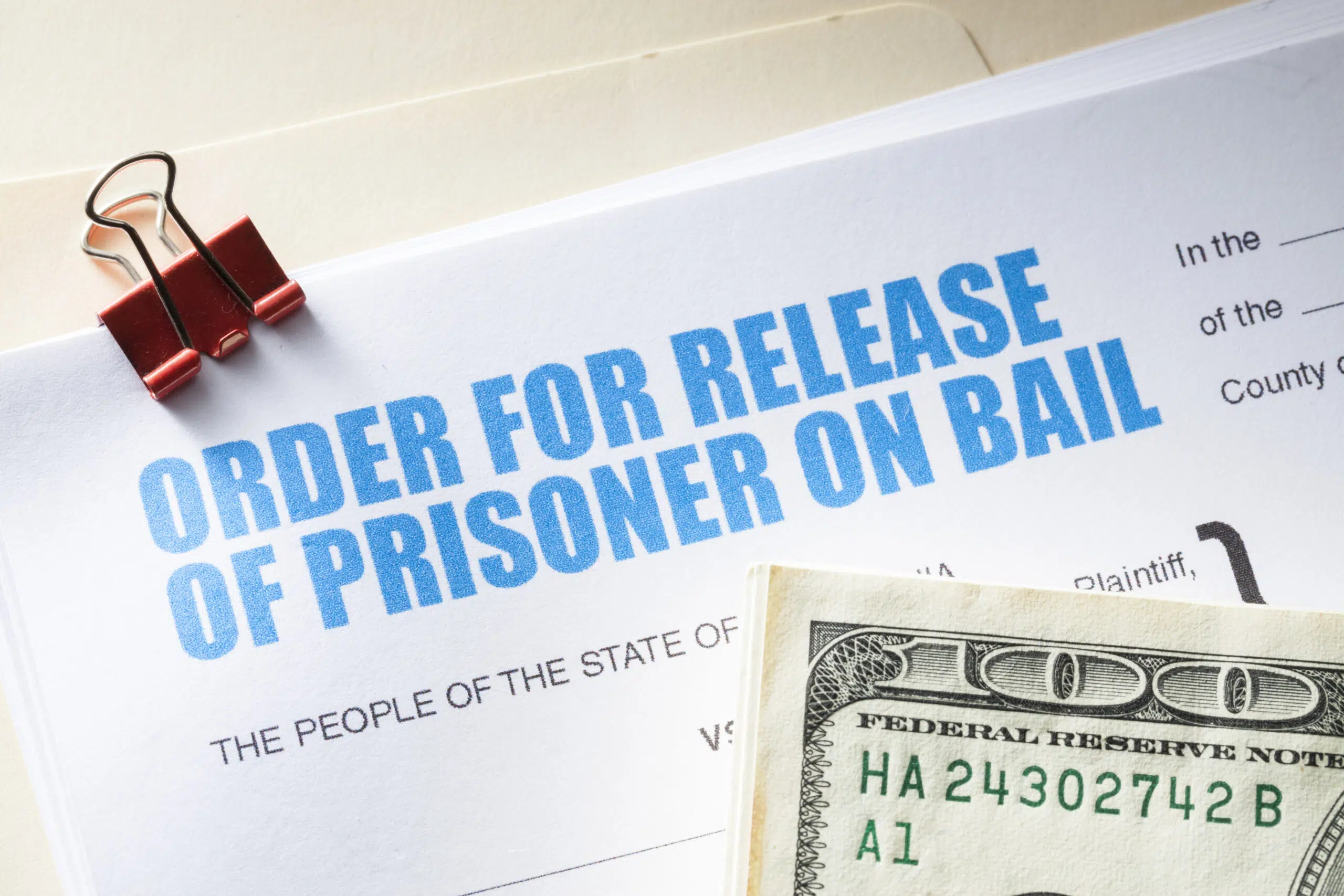
An arrest is disorienting. One moment, life is normal; the next, someone is sitting in an Ouachita Parish detention facility, wondering what comes next. For many people, the most pressing question is not what charges they face, but how to get out. Understanding how to navigate the bail process in Louisiana can mean the difference between spending days behind bars and returning home to your family while your case moves forward.
This guide walks through the key steps, from the moment of arrest to the point of release, so you know what to expect and what decisions matter most.
What Is Bail and How Does Louisiana Law Define It?
Bail is a financial guarantee that a defendant will appear in court. Louisiana law governs bail through the Louisiana Code of Criminal Procedure, Articles 311–345.
Under Louisiana law, bail is not a punishment. It is a mechanism designed to secure a defendant’s court appearances while preserving the presumption of innocence. The Louisiana Code of Criminal Procedure, Article 312, establishes a defendant’s statutory right to bail before and after conviction, subject to specific exceptions.
Not every charge qualifies for bail. Article 313 governs Gwen’s Law bail hearings and permits detention without bail in capital cases where proof is evident, or in specified domestic, violent, or felony cases upon clear and convincing evidence that the defendant poses an imminent danger or flight risk. For the vast majority of criminal charges, though, bail is available, and the process begins quickly after arrest.
Step 1: Understand What Happens Immediately After Arrest
After arrest in Louisiana, a defendant is booked, fingerprinted, and held until a first appearance, typically within 72 hours.
When someone is arrested in Monroe, or anywhere in Ouachita Parish, they are transported to the Ouachita Correctional Center for booking. During booking, officers record personal information, photograph and fingerprint the defendant, and log the charges. Personal belongings are inventoried and held until release.
Once booking is complete, the defendant waits for a first appearance before a judge. Louisiana Code of Criminal Procedure, Article 230.1, requires this appearance to occur within 72 hours of arrest, excluding weekends and holidays. At the first appearance, the judge primarily appoints counsel for the defendant, though the court may also review or set bail terms at this time.
Step 2: Attend the First Appearance and Bail Hearing
At the first appearance, a judge sets bail based on factors including the charge, criminal history, and ties to the community, as outlined in Louisiana C.Cr.P. Article 317.
This hearing is short but consequential. The judge reviews the arrest report and any prior record. Under Article 317, the court considers 13 statutory factors, including the seriousness of the offense, the weight of the evidence, the prior record, the ability to give bail, the public safety risk, firearm involvement, and the likelihood of appearance.
For misdemeanor charges, bail amounts are often modest. Felony charges can result in substantially higher bail or, in rare cases, no bail at all. A defense attorney present at this hearing can argue for a lower amount by presenting information about the defendant’s employment, community ties, and family situation. That argument can have a real impact on what gets set.
Step 3: Know Your Bail Options
Louisiana defendants can secure release through personal recognizance, a cash bond, a surety bond through a bail bondsman, or a property bond, depending on the amount set.
Once bail is set, there are several ways to meet it:
- Personal recognizance (PR bond): The defendant signs a written promise to appear. No money changes hands. Courts grant PR bonds for low-level offenses when the defendant is considered low-risk.
- Cash bond: The full bail amount is paid directly to the court. It is refunded at the conclusion of the case if all appearances are made, though it may be subject to deductions for court costs, fines, fees, or restitution.
- Surety bond: A licensed bail bondsman posts the full amount in exchange for a non-refundable premium, statutorily fixed in Louisiana at 12% of the bond amount or $120, whichever is greater. This is the most common method.
- Property bond: Real property is pledged as collateral. This option is less common and requires court approval.
Choosing the wrong option can create financial strain. Understanding each one before committing is worth the time.
Step 4: Comply With All Bail Conditions
Violating any court-imposed bail condition in Louisiana can result in a bench warrant, modified bail terms, or bail revocation under Article 313, while Article 345 governs the surrender and forfeiture procedures.
Bail rarely comes without conditions. A judge may require the defendant to surrender a passport, submit to drug testing, avoid contact with alleged victims, or check in regularly with pretrial services. Failure to comply with conditions gives the court authority to modify terms, issue a bench warrant, remand the defendant, or initiate revocation proceedings.
If you were arrested on a drug charge or a violent crime charge, conditions are often stricter. Courts in Ouachita Parish take violations seriously. Staying fully compliant protects your freedom while your case is pending.
Step 5: Contact a Criminal Defense Attorney Before Anything Else
An attorney can argue for reduced bail at the first appearance, challenge unlawful conditions, and begin building your defense from the moment of arrest.
This step should actually come first, as soon as arrest is possible. You have the right to counsel, and exercising that right early matters. An attorney who is present at the bail hearing can push for lower bail, argue against unnecessary conditions, and start reviewing the circumstances of your arrest. That early involvement shapes the entire trajectory of the case.
Many people wait until after bail is set to call a lawyer. By then, an opportunity to reduce the bail amount may already be gone.
What Comes After Release?
Release on bail is not the end of the process. It is the beginning of the defense phase. Every court date on the docket must be attended without exception. Missing a court appearance in Louisiana can result in a bench warrant and initiate bond forfeiture proceedings under Article 345, though forfeiture is subject to statutory procedures and remedies.
Use the time between release and your next court date wisely. Gather documents, write down everything you remember about the arrest while it is fresh, and stay in close contact with your attorney. The work done in this window can significantly affect the outcome of your case. For more context on your rights when arrested in Louisiana, our earlier blog covers that ground in detail.
Facing Charges in Monroe? We Are Here to Help.
At Whiddon Criminal Defense, we offer free consultations so you can get real answers before making any decisions. If you or someone you care about has been arrested in Monroe or Ouachita Parish, contact us or call 318-488-4101 to speak with our Monroe criminal defense lawyer about your situation. The bail process moves fast, and so should you.
Last updated: October 2026